There is something almost magnetic about a garden pond that actually feels alive. The water moves, the surface catches light, and the surrounding plants seem to breathe alongside it. For homeowners building a true outdoor retreat, the pond has become a defining feature. But getting that feature right requires more than filling a space with water and adding a few fish.
Pond aeration is what transforms a basic water feature into something genuinely worth maintaining, keeping the water oxygenated, balanced, and clear through every season. Gardens with a well-aerated pond tend to feel more complete and more considered. The water stays cleaner, plants around the edges flourish, and the risk of turning that attractive feature into a persistent maintenance problem drops considerably with the right system in place.
The Hidden Cost of a Pond That Goes Still
Oxygen Depletion and What It Does to Pond Life: Without consistent movement, oxygen levels in pond water fall faster than most people expect. Fish, beneficial bacteria, and aquatic plants all depend on that oxygen to survive. When the supply drops, the pond’s internal ecosystem begins to destabilize. Algae starts to thrive, organic matter accumulates, and a feature that once looked beautiful begins demanding attention it was never meant to need.
Mosquitoes and the Still Water Advantage They Exploit: Still water does not stay uninhabited for long. Mosquitoes seek out exactly this kind of undisturbed environment to lay eggs, and larvae develop quickly in warm, motionless water. A neglected garden pond provides everything they need. Combined with warmer surface temperatures and zero current, a stagnant pond can become a genuine pest problem within just a few weeks during warmer months.
Anaerobic Decomposition and the Algae It Quietly Feeds: At the bottom of a still pond, anaerobic decomposition begins as oxygen disappears from the lower water layers. Organic debris breaks down without oxygen, releasing nutrients that feed surface algae. That green film spreading across the water is not just unsightly. It signals that the pond’s internal balance has already shifted in a direction that becomes harder to correct the longer it goes unaddressed.
What Changes the Moment Water Starts Moving
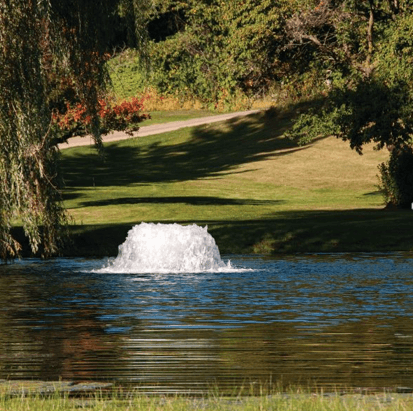
Reflections, Ripples, and the Visual Life of a Pond: Moving water turns a flat, static surface into something genuinely dynamic. Ripples catch sunlight at shifting angles and break it into patterns that change throughout the day. Reflections of surrounding plants and sky become fluid rather than fixed. That constant gentle motion is what separates a garden pond that draws the eye from one that fades into the background and goes unnoticed.
Sound as a Design Element Worth Taking Seriously: Water noise rarely gets the credit it deserves in outdoor design. A steady flow from an aeration system creates an ambient layer of sound that softens the garden environment and masks background noise from nearby roads or neighbors. That audio backdrop changes how a space feels, not just how it looks. Gardens with moving water tend to feel more enclosed and genuinely restful.
Dissolved Oxygen and Why Pond Plants Respond to It: Aquatic plants react noticeably when water circulation improves. Dissolved oxygen supports root systems and helps beneficial bacteria process organic matter before it settles and causes problems. In ponds with regular water movement, plants tend to grow fuller and hold up better through seasonal changes, producing a more natural-looking feature that demands less corrective attention over the course of the year.
See also: Best Gas Chulha 3 Burner In India: Price, Features & Daily Performance Guide
Systems That Work With the Design, Not Against It
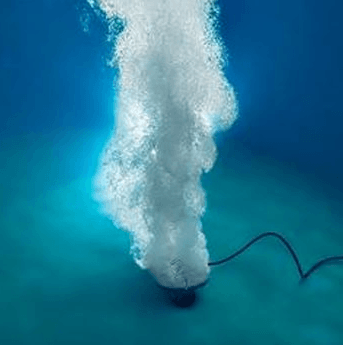
Surface Aerators vs. Submersible Units: Not every system suits every pond, and depth matters more than most people realize when making a selection. Surface aerators create visible motion at the top water layer and perform well in shallower ponds. Submersible bottom-based systems push air upward from the pond floor, making them more appropriate for deeper water where surface circulation alone would not reach the lower zones effectively.
What to Look for Before Choosing a System: Selecting the right aeration unit comes down to a few factors that affect both performance and visual outcome:
- Adjustable spray patterns allow the water display to be shaped to suit the pond’s size and surrounding landscape.
- Low-energy motors reduce daily operating costs without compromising the consistency of water movement throughout the day.
- Quiet operation preserves the natural sound of water rather than introducing mechanical noise into the garden environment.
- Submersible-rated housing ensures the unit performs reliably through temperature shifts and extended periods of underwater use.
- LED lighting compatibility allows the feature to remain visually engaging well into the evening hours.
Fitting an Aeration System Into an Existing Pond Layout: Many garden ponds already have stones, plants, and edging established around them. A good aeration system should work alongside that existing layout rather than require redesigning it. Most modern units are compact enough to sit below the waterline, keeping visible hardware to a minimum. The water display itself remains the focal point, and the equipment that creates it stays largely out of sight.
The Pond Your Garden Has Always Deserved
A well-aerated pond rewards the effort involved in setting it up correctly. Algae stays manageable, pests find fewer reasons to settle in, and the water holds a clarity that makes the whole feature genuinely worth having. Surrounding plants respond, the ambient sound carries across the space, and the outdoor environment shifts in a way that feels deliberate. If your pond has been sitting still, explore purpose-built aeration solutions matched to your specific depth, size, and layout today.