

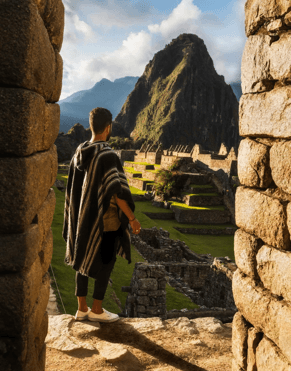
Most travelers going to visit Machu Picchu count down the steps to the Sun Gate like it is the only thing that matters. The photos, the relief, the bragging rights are all tied to that one iconic viewpoint. But anyone who has actually made the journey knows something the photos never quite capture. The path itself changes you in ways the destination alone never could.
People who book Machu Picchu day tours get an experienced team of guides and a well-structured itinerary that makes a real difference from the very first stop. The route through the Sacred Valley has layers that only trained eyes catch, and having the right people handle the planning means the transitions, timing, and details all fall into place. That is what turns a day trip into something worth talking about long after the journey ends.
The Valley That Makes You Forget Where You Are Going
What Sits Between Cusco and Aguas Calientes: The Sacred Valley is not a pit stop on the way to something more important. It is a living agricultural corridor where communities still farm ancient terraced hillsides using centuries-old methods. Passing through at ground level, rather than rushing past, gives the whole trip a grounding that changes what Machu Picchu means when you finally arrive.
Where the Urubamba River Takes Over: Somewhere past Ollantaytambo, the Urubamba River becomes your constant companion. The water runs fast and cold alongside the train tracks, cutting through gorges that deepen as the elevation drops. Valley walls close in, vegetation thickens on both sides, and the sky narrows to a strip above the trees. It is the kind of scenery that stops conversation mid-sentence.
The Andean Backdrop That No Brochure Captures: Snow-capped peaks like Mount Veronica frame the windows before the cloud forest swallows the horizon. These mountains are not decorative background elements. They are part of the same Andean range the Inca navigated for centuries. Seeing them from the valley floor puts the landscape into physical, tangible terms that photographs struggle to replicate.
What Changes When You Stop Rushing
The Cost of Treating This Like a Commute: Plenty of travelers book the earliest train, sprint through the site, and catch the last ride home. That covers the checklist but leaves no room for enjoying the journey itself. The rail route through the Andean foothills is among the most scenic in the region, and treating it like a commute means missing the parts that tend to stay with you longest.
The Stops That Reshape the Story: Slowing down means you actually register things around you. A local market, a farmer steering oxen across an ancient terraced field, the temperature dropping as the train dips into a gorge. None of these moments appear in the highlight reel, but they tend to be the ones people mention years later when they describe what Peru was actually like.
See also: Why Investing in a Marble Temple Is a Once-in-a-Lifetime Decision
What the Train Reveals That No Guidebook Mentions
How Guides Read the Landscape in Real Time: Experienced guides point out details that most visitors miss entirely. The panoramic windows on the train frame the landscape like a slow-moving documentary. The descent from the highlands passes through distinct environments in quick succession, each one telling a different part of the same story. Key things to notice along this stretch include:
- The gradual shift from dry highland scrubland into dense jungle terrain, marking a significant drop in elevation as the train descends toward Aguas Calientes.
- The Urubamba River runs alongside the tracks, tracing a geographic boundary the Inca treated as sacred and deeply significant.
- Small farming communities along the valley floor, largely outside the tourist trail but visible through the panoramic train windows.
- Mountain peaks standing snow-capped in the distance on clear mornings, visible before the valley walls fully close in.
What Falls Away When the City Does: Something shifts once the train leaves Ollantaytambo and the last road disappears behind the hillside. The absence of traffic and modern infrastructure makes the valley feel strangely unhurried. That quietness is not accidental. The rail corridor was built to minimize intrusion on the landscape, and the effect is something you feel before you understand it.
The Design of a Journey Worth Remembering
Why Itinerary Sequence Changes Everything: The order of stops and the timing between them shape the emotional tone of a trip more than most people realize. Arriving at Machu Picchu after a full morning in the Sacred Valley, watching the landscape shift from highland to jungle, feels genuinely different from arriving tired and rushed after a predawn scramble through logistics.
How Expert Planning Handles the Transitions: Tours built around the full journey include scheduled stops in the Sacred Valley, smooth train boarding, and time in Aguas Calientes to support altitude acclimatization. These transitions are not minor logistical details. They are the structure that makes the day feel like a meaningful journey rather than a timed exercise in box-ticking.
Letting the View Set the Pace: There is a particular moment on the descent into Aguas Calientes when mist rolls across the valley and everything outside the window looks like another era entirely. Most travelers who make this trip bring that moment up unprompted later. It tends to be what people reach for first when they try to describe the journey, not the ruins.
Your Peru Starts Long Before the Entrance Gate
The real Machu Picchu experience starts long before the entrance checkpoint. It begins with the train leaving Ollantaytambo, the valley opening wide, and the realization that the landscape is part of what you came for. If that sounds like the trip you have been picturing, reach out via WhatsApp or the website contact form and start planning around your dates.
